Blue-headed Vireo
Vireo solitarius
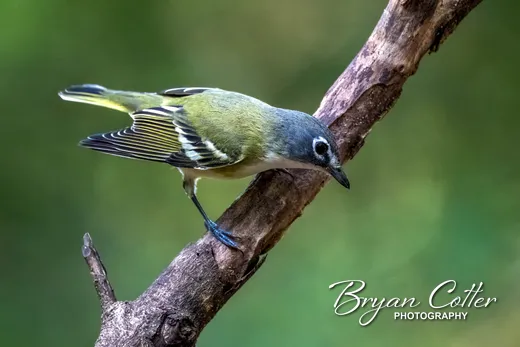
About the Blue-headed Vireo
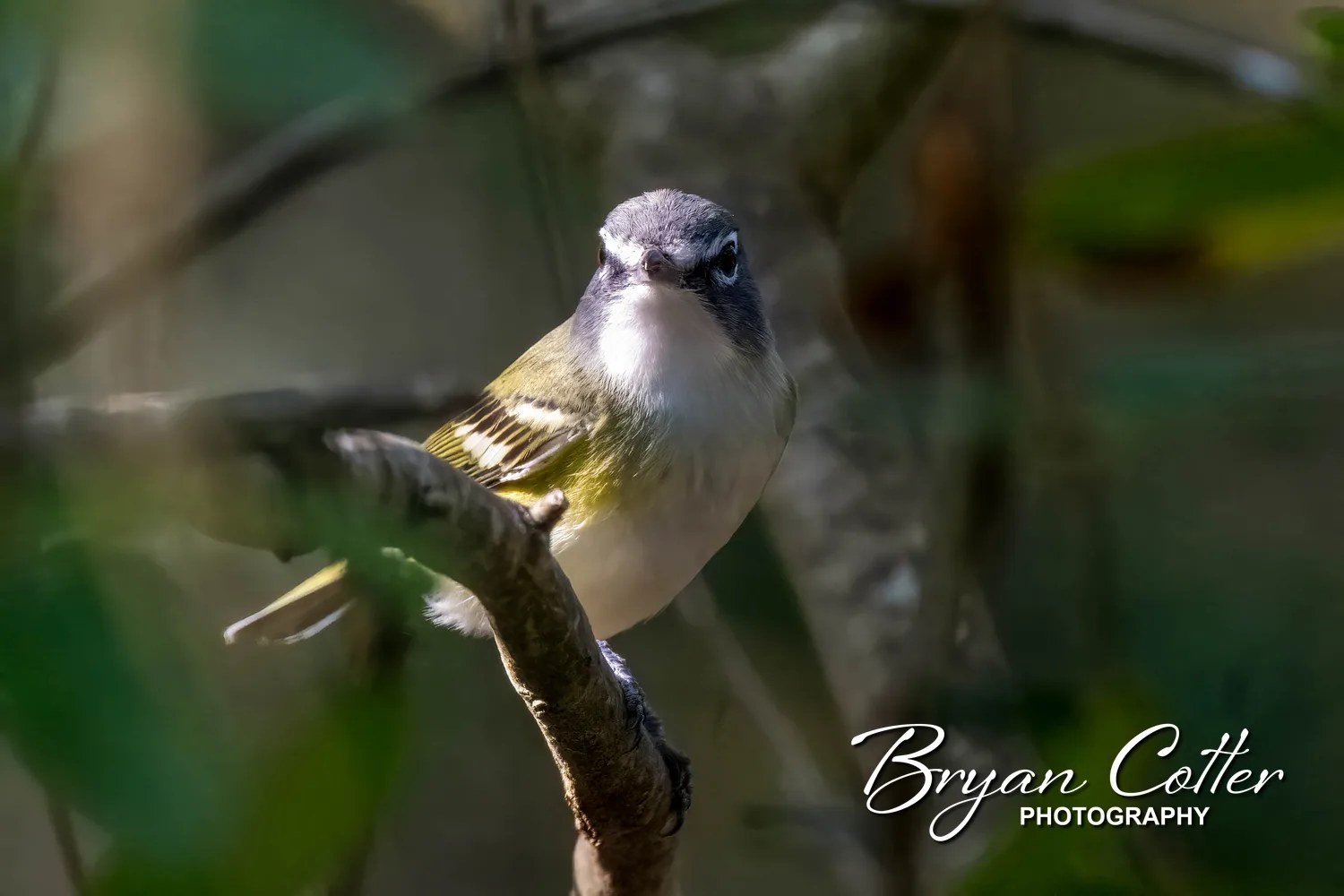
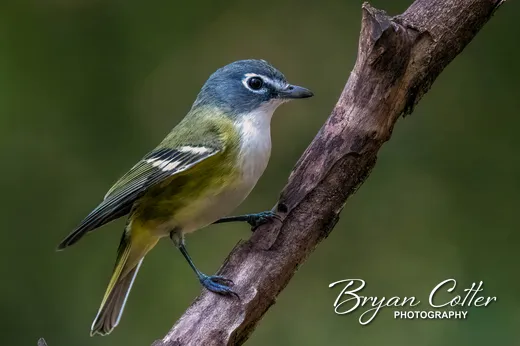
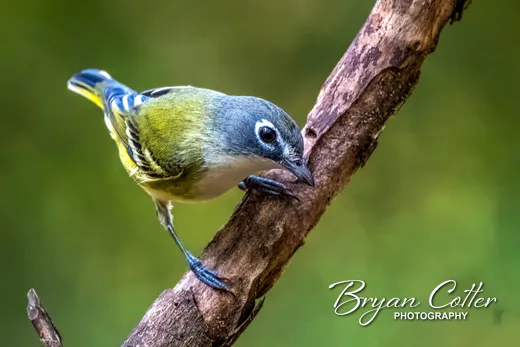
The Blue-headed Vireo is the dressiest of the vireos - a blue-gray hood set off by bold white "spectacles", a white throat, greenish back, and yellow-washed flanks over crisp white wingbars. Among the family's many plain faces, this one looks deliberately designed.
Like all vireos it is a deliberate forager, working branches slowly and peering under leaves for caterpillars, moths, and beetles, then pausing to sing even in fall and winter - a sweet, unhurried series of slurred two- and three-note phrases with pauses between, as if the bird were asking and answering its own questions. Vireos' thicker, slightly hooked bills separate them from the frantic, thin-billed warblers they often travel with.
Blue-headed, Cassin's, and Plumbeous Vireos were treated as one species - the "Solitary Vireo" - until 1997, and older field guides still carry that name. Blue-headed is the eastern and most colorful member of the trio, breeding in mixed northern and Appalachian forests.
In Texas it is a migrant and winter resident across the eastern two-thirds of the state, typically the only spectacled vireo in winter woods, moving with kinglet and chickadee flocks through oaks and junipers from October to April. A patient look at any winter mixed flock in central Texas has a fair chance of turning one up.
Join one of my guided birding tours!
© 2026 Bryan Cotter Photography privacy policy terms of use site by cotter designs